
What is the purpose of a meeting room?
What is the purpose of a meeting room?
The purpose of a meeting room is to provide a dedicated space where individuals or groups can come together to discuss, collaborate, plan, and make decisions. Meeting rooms are integral to the functioning of any organization, serving various functions that facilitate effective communication, productivity, and organizational coherence. Below, we delve into the primary purposes and benefits of meeting rooms.
Facilitating Communication and Collaboration
1) Face-to-Face Interaction:
a) Enhanced Understanding: Meeting rooms enable face-to-face communication, which is crucial for nuanced understanding. Non-verbal cues, such as body language and facial expressions, enhance the clarity and effectiveness of discussions.
b) Building Relationships: Personal interactions foster stronger relationships among team members, promoting trust and camaraderie, which are essential for teamwork and collaboration.
2) Brainstorming and Ideation:
a) Creative Environment: A well-equipped meeting room provides a conducive environment for brainstorming sessions. Tools such as whiteboards, flip charts, and collaborative software encourage creative thinking and idea generation.
b) Diverse Input: Bringing together individuals from different departments or with varied expertise can lead to more innovative solutions, as diverse perspectives are shared and explored.
Planning and Decision Making
1) Strategic Discussions:
a) Focused Environment: Meeting rooms offer a distraction-free setting where strategic discussions and critical decision-making processes can occur without interruptions.
b) Confidentiality: Sensitive topics, such as financial planning, HR issues, or strategic initiatives, require a private space where discussions can be held confidentially.
2) Problem Solving:
a) Collaborative Solutions: When faced with challenges, meeting rooms provide a space where stakeholders can collectively analyze problems, evaluate options, and develop action plans.
b) Resource Access: Equipped with technology and resources, meeting rooms allow for real-time access to data and information necessary for informed decision-making.
Operational Coordination
1) Regular Updates:
a) Team Meetings: Regular team meetings held in meeting rooms ensure that everyone is aligned on goals, progress, and upcoming tasks. This helps in maintaining operational efficiency and coherence.
b) Project Management: Project meetings facilitate the tracking of milestones, allocation of responsibilities, and adjustment of timelines, ensuring that projects stay on track.
2) Client and Vendor Interactions:
a) Professional Setting: Meeting rooms provide a formal and professional environment for interactions with clients, vendors, and partners, reflecting positively on the organization.
b) Presentations and Demos: They are ideal for presentations, product demonstrations, and negotiations, enabling clear and effective communication of ideas and proposals.
Training and Development
1) Skill Building:
a) Training Sessions: Meeting rooms are often used for training and development sessions. They provide the necessary space and equipment for conducting workshops, seminars, and training programs.
b) Knowledge Sharing: These rooms facilitate knowledge-sharing sessions where employees can learn from each other, enhancing overall organizational competence.
2) Onboarding:
New Employee Orientation: Dedicated meeting spaces are crucial for onboarding new employees, providing a structured environment where they can be introduced to company policies, culture, and expectations.
Enhancing Productivity and Efficiency
1) Focus and Concentration:
a) Dedicated Space: Having a designated space for meetings helps in maintaining focus and concentration, as opposed to informal settings that might lead to distractions.
b) Structured Meetings: Meeting rooms encourage a structured approach to meetings, with defined agendas, roles, and outcomes, thus enhancing efficiency.
2) Technological Support:
Modern Amenities: Equipped with technology such as video conferencing tools, projectors, and smartboards, meeting rooms facilitate seamless communication and presentations, even with remote participants.
Cultural and Social Functions
1) Team Building:
a) Collaborative Culture: Regular use of meeting rooms for team activities fosters a culture of collaboration and openness within the organization.
b) Social Interactions: Informal meetings or social gatherings held in these rooms can enhance employee morale and cohesion.
2) Community Engagement:
a) External Meetings: Meeting rooms can also serve as venues for engaging with the broader community, including stakeholders, partners, and the public, for various initiatives and events.
The purpose of a meeting room extends beyond just providing a physical space. It is a vital component of organizational infrastructure that supports communication, collaboration, decision-making, training, and overall productivity. By offering a dedicated environment equipped with the necessary resources, meeting rooms enable individuals and teams to function more effectively, driving the success and growth of the organization.
Explore Creative Social Intranet
Boost Understanding with Quick Answers
Our Latest Intranet News and Articles
How Corporate Network Performance Impacts Employee Productivity?
Introduction In today’s digital-first business environment, employee productivity is closely tied to the performance of corporate IT infrastructure. One of the most critical components of this infrastructure is the organization’s network. For businesses across India, corporate network performance India plays a vital role in ensuring smooth communication, fast data access, and uninterrupted workflow. Slow networks, lagging systems, and connectivity issues can significantly impact employee efficiency and overall business outcomes. With increasing reliance on digital tools such as intranet systems, collaboration platforms, and cloud applications, factors like intranet data transfer speed India, intranet bandwidth requirements India, and overall intranet performance India … How Corporate Network Performance Impacts Employee Productivity?
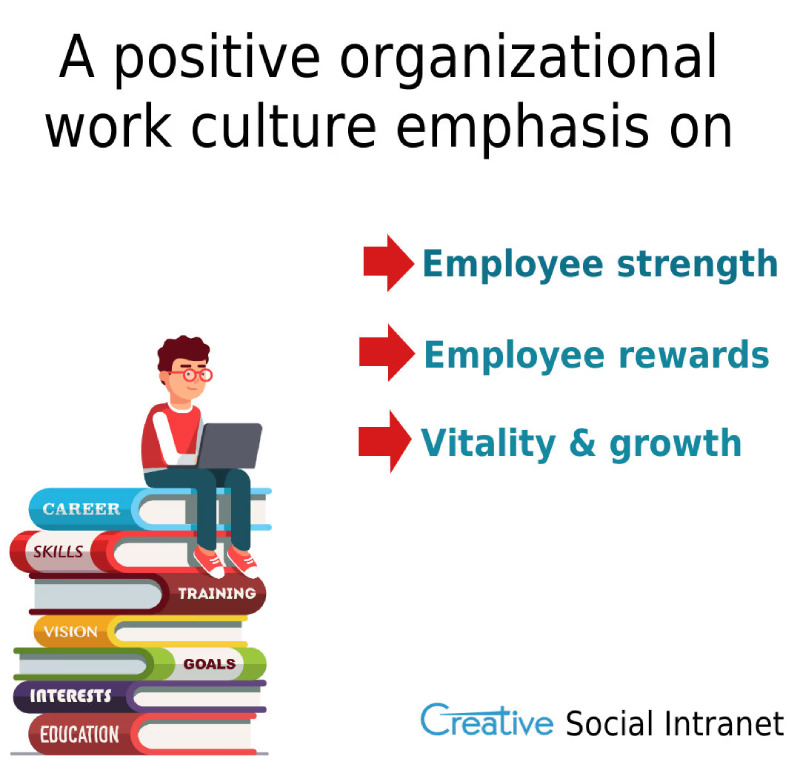
Gamification Helps Corporate Training
Gamification is no longer just a “nice-to-have” in corporate training—it’s becoming a core driver of employee engagement, productivity, and continuous learning. In today’s AI-powered digital workplace, gamification combined with intelligent systems transforms routine training into an immersive, personalized experience. When integrated into a smart intranet like Creative Social Intranet, it doesn’t just make learning fun—it makes it measurable, adaptive, and results-driven. Here’s how gamification, enhanced with trending AI features, elevates workplace performance: 1. AI-Powered Gamified Learning Experience Creative Social Intranet leverages AI to turn traditional training modules into dynamic, game-like journeys. Employees earn points, badges, and rewards—but now with AI-driven … Gamification Helps Corporate Training
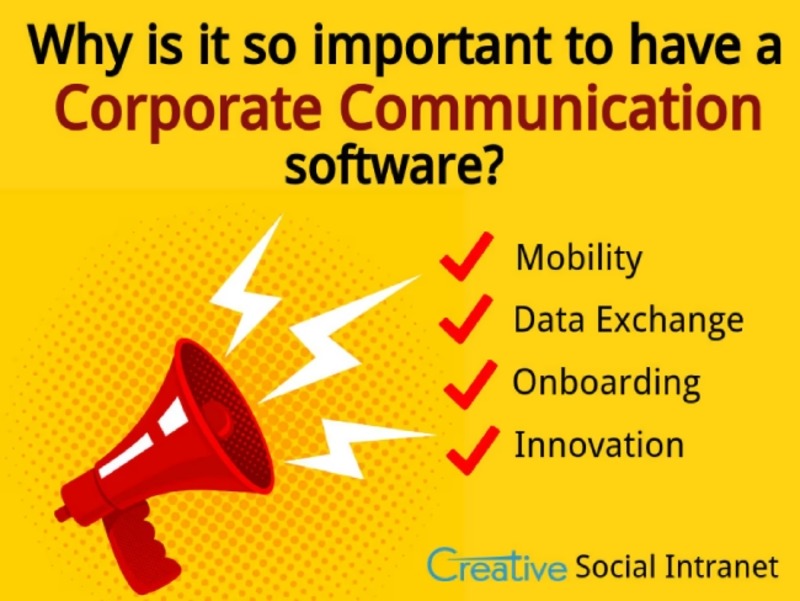
Significance of Corporate Communication Software
AI-Powered Corporate Communication Software for the Modern Workplace Corporate communication software is no longer just a tool—it’s the intelligent backbone of modern organizations. With AI embedded into collaboration platforms, it evolves into a smart digital workplace hub that drives communication, engagement, and decision-making in real time. Organizations that effectively implement an AI-driven collaboration experience: Why AI-Driven Corporate Communication Matters? 1. Enhance Internal Communication Break down silos with AI-powered content recommendations, smart notifications, and auto-prioritized updates—ensuring employees receive the right information at the right time. 2. Boost Employee Morale Leverage AI sentiment analysis to understand employee mood and engagement levels. Automatically … Significance of Corporate Communication Software