
What is meeting room management?
What is meeting room management?
Meeting room management refers to the systematic administration and coordination of conference rooms within an organization. It encompasses a range of activities aimed at optimizing the utilization of meeting spaces to ensure efficient and effective use, enhance productivity, and reduce operational costs. Effective meeting room management integrates technology, policies, and processes to address challenges related to scheduling conflicts, room availability, equipment needs, and space utilization.
Core Components of Meeting Room Management
1) Scheduling and Booking:
a) Software Solutions: Many organizations use dedicated meeting room booking systems to manage reservations. These systems often integrate with existing calendars (like Outlook or Google Calendar) to streamline the booking process and avoid double bookings.
b) Real-time Availability: Modern solutions provide real-time updates on room availability, making it easier for employees to find and book available spaces.
c) Automated Reminders: These systems can send reminders to participants and notifications about booking status changes, helping to minimize no-shows and last-minute cancellations.
2) Resource Allocation:
a) Equipment Management: Ensuring that meeting rooms are equipped with necessary tools like projectors, video conferencing systems, whiteboards, and Wi-Fi is crucial. Proper management includes maintaining an inventory of these resources and ensuring they are functional and available when needed.
b) Catering and Other Services: For certain meetings, additional services such as catering might be required. An efficient system can help coordinate these services in conjunction with room bookings.
3) Space Utilization:
a) Analyzing Usage Patterns: Data collected from booking systems can provide insights into how meeting spaces are used, identifying trends such as peak times and underutilized rooms. This information can guide decisions on space reconfiguration or repurposing.
b) Flexible Workspaces: Implementing flexible and multi-functional meeting spaces can enhance utilization. For example, movable walls and modular furniture can allow spaces to be adjusted according to the size and type of meeting.
4) User Experience:
a) Ease of Use: A user-friendly booking interface encourages proper use of the system, reducing the likelihood of errors and improving overall satisfaction.
b) Accessibility: Ensuring that booking systems and meeting rooms are accessible to all employees, including those with disabilities, is vital.
5) Integration and Automation:
a) System Integration: Integration with other enterprise systems like HR, facilities management, and IT support can streamline operations. For instance, integrating with HR systems can help manage access control and visitor management.
b) Automation: Automated lighting, climate control, and equipment setup based on booking schedules can enhance efficiency and sustainability.
6) Policy and Compliance:
a) Usage Policies: Clear policies regarding the booking and use of meeting rooms help manage expectations and reduce conflicts. Policies might cover aspects such as booking priority, cancellation procedures, and etiquette.
b) Compliance: Ensuring that meeting room management practices comply with organizational policies and legal requirements (such as those related to accessibility and data privacy) is essential.
Benefits of Effective Meeting Room Management
1) Increased Efficiency:
Streamlined booking processes reduce time wasted on finding and reserving spaces, allowing employees to focus on their primary tasks.
2) Cost Savings:
Better utilization of meeting spaces can lead to cost savings by reducing the need for additional space or enabling more efficient use of existing facilities.
3) Improved Collaboration:
Well-managed meeting spaces equipped with the right technology facilitate better communication and collaboration, both in-person and remotely.
4) Enhanced User Experience:
A smooth, reliable booking experience improves employee satisfaction and productivity.
Challenges and Solutions
1) Overbooking and Conflicts:
Implementing a robust booking system with conflict resolution features can mitigate these issues.
2) Underutilization:
Regularly analyzing usage data and promoting the use of underutilized spaces can help balance demand.
3) Technical Failures:
Ensuring regular maintenance and having a support system in place for immediate troubleshooting can minimize disruptions.
Meeting room management is a multifaceted approach that combines technology, strategic planning, and user-centric practices to optimize the use of meeting spaces within an organization. By addressing both operational and logistical aspects, effective meeting room management enhances productivity, reduces costs, and improves the overall workplace experience.
Explore Creative Social Intranet
Boost Understanding with Quick Answers
Our Latest Intranet News and Articles
How Corporate Network Performance Impacts Employee Productivity?
Introduction In today’s digital-first business environment, employee productivity is closely tied to the performance of corporate IT infrastructure. One of the most critical components of this infrastructure is the organization’s network. For businesses across India, corporate network performance India plays a vital role in ensuring smooth communication, fast data access, and uninterrupted workflow. Slow networks, lagging systems, and connectivity issues can significantly impact employee efficiency and overall business outcomes. With increasing reliance on digital tools such as intranet systems, collaboration platforms, and cloud applications, factors like intranet data transfer speed India, intranet bandwidth requirements India, and overall intranet performance India … How Corporate Network Performance Impacts Employee Productivity?
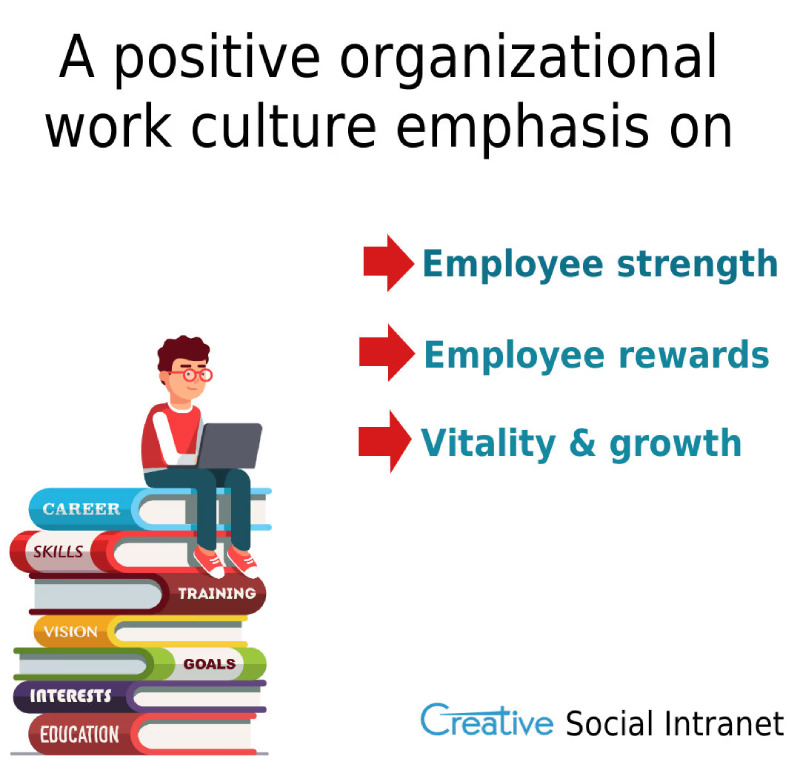
Gamification Helps Corporate Training
Gamification is no longer just a “nice-to-have” in corporate training—it’s becoming a core driver of employee engagement, productivity, and continuous learning. In today’s AI-powered digital workplace, gamification combined with intelligent systems transforms routine training into an immersive, personalized experience. When integrated into a smart intranet like Creative Social Intranet, it doesn’t just make learning fun—it makes it measurable, adaptive, and results-driven. Here’s how gamification, enhanced with trending AI features, elevates workplace performance: 1. AI-Powered Gamified Learning Experience Creative Social Intranet leverages AI to turn traditional training modules into dynamic, game-like journeys. Employees earn points, badges, and rewards—but now with AI-driven … Gamification Helps Corporate Training
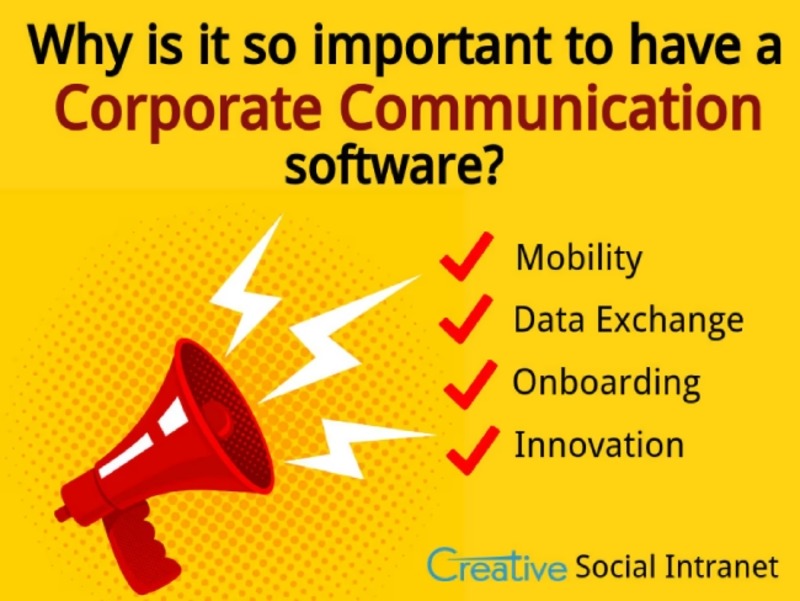
Significance of Corporate Communication Software
AI-Powered Corporate Communication Software for the Modern Workplace Corporate communication software is no longer just a tool—it’s the intelligent backbone of modern organizations. With AI embedded into collaboration platforms, it evolves into a smart digital workplace hub that drives communication, engagement, and decision-making in real time. Organizations that effectively implement an AI-driven collaboration experience: Why AI-Driven Corporate Communication Matters? 1. Enhance Internal Communication Break down silos with AI-powered content recommendations, smart notifications, and auto-prioritized updates—ensuring employees receive the right information at the right time. 2. Boost Employee Morale Leverage AI sentiment analysis to understand employee mood and engagement levels. Automatically … Significance of Corporate Communication Software