
What is ticketing in the helpdesk?
What is ticketing in the helpdesk?
Ticketing in the helpdesk context refers to managing and tracking customer inquiries, issues, and service requests through a centralized system. Helpdesk ticketing systems are software platforms designed to streamline customer support operations by organizing and prioritizing incoming requests, assigning them to appropriate agents or teams, and tracking their resolution from start to finish.
Here’s how ticketing typically works in a helpdesk environment:
1) Submission:
Customers submit their inquiries, issues, or service requests through various channels such as email, web forms, phone calls, or live chat. These submissions are automatically converted into tickets within the helpdesk system.
2) Ticket Creation:
Each submission generates a unique ticket containing details such as the customer’s contact information, the nature of the issue, any relevant attachments or screenshots, and a timestamp.
3) Classification and Prioritization:
Tickets are classified based on factors such as severity, type of request, and customer priority. This classification helps support teams to prioritize their workload and allocate resources accordingly.
4) Assignment:
Tickets are assigned to specific agents or teams based on their expertise and availability. Assignment rules can be configured within the helpdesk system to ensure that tickets are routed to the most appropriate resource for resolution.
5) Communication and Collaboration:
Agents communicate with customers and collaborate with colleagues to troubleshoot and resolve tickets. Ticketing systems often include features such as internal notes, @mentions, and file attachments to facilitate collaboration among team members.
6) Tracking and Monitoring:
Throughout the ticket lifecycle, support teams track the progress of each ticket, documenting any updates, interactions, or troubleshooting steps taken. Managers and supervisors can monitor ticket queues and performance metrics to ensure timely resolution and maintain service level agreements (SLAs).
7) Resolution and Closure:
Once the issue has been resolved or the request fulfilled, the ticket is marked as resolved or closed. Customers may be asked to confirm their satisfaction with the resolution, providing valuable feedback for continuous improvement.
8) Reporting and Analysis:
Ticketing systems generate reports and analytics that provide insights into support team performance, customer satisfaction levels, common issues, and trends over time. This data helps organizations identify areas for improvement and make data-driven decisions to enhance their support operations.
Ticketing in the helpdesk streamlines the process of managing customer inquiries and ensures that issues are addressed promptly and efficiently, leading to improved customer satisfaction and retention.
Explore Creative Social Intranet
Boost Understanding with Quick Answers
Our Latest Intranet News and Articles
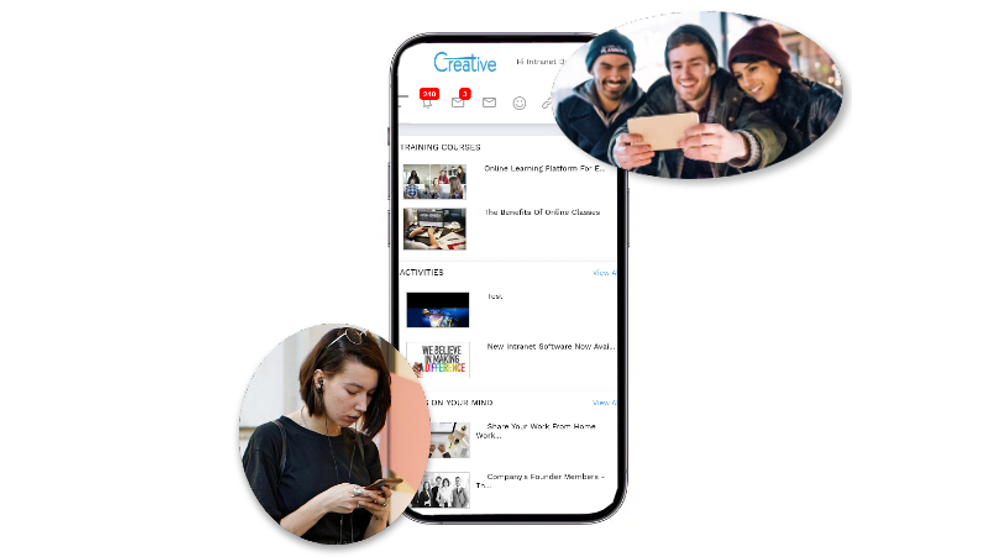
How Digital Workplace Solutions Improve Internal Communication in India?
Introduction In today’s fast-paced corporate environment, organizations across India are increasingly adopting digital tools to improve collaboration and communication. As companies grow and teams become more distributed, traditional communication methods such as emails, scattered chats, and manual updates often lead to confusion, delays, and disengaged employees. This is where a digital workplace solution India becomes essential. A modern digital workplace connects employees, information, and business tools on a single platform, enabling organizations to streamline internal communication and enhance productivity. For Indian enterprises navigating hybrid work environments and geographically dispersed teams, implementing the right enterprise intranet platform India, internal communication software … How Digital Workplace Solutions Improve Internal Communication in India?
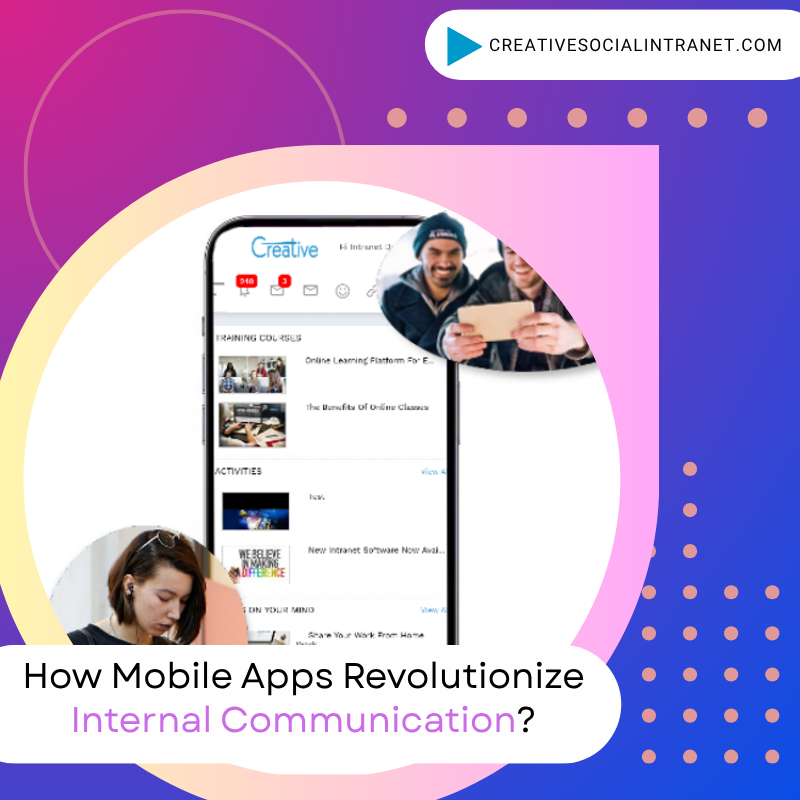
How AI-Powered Mobile Apps Are Transforming Internal Communication?
In today’s fast-paced digital workplace, effective internal communication is more important than ever. Organizations with distributed teams, remote workers, and multiple departments need tools that allow information to flow quickly and clearly. Traditional communication methods, such as email, static portals, and disparate messaging tools, often lead to confusion and information overload. This is where AI-powered mobile applications, combined with platforms like Creative Social Intranet, are changing the way companies communicate internally. These smart digital solutions make communication faster, more personalized, and easier to manage across the entire organization. A Creative Social Intranet powered by AI-driven mobile apps enables employees to … How AI-Powered Mobile Apps Are Transforming Internal Communication?
How AI-Enhanced Social Intranets are Redefining Employee Experience?
The modern workplace is undergoing a profound transformation. Hybrid teams, fully remote roles, distributed global workforces, and digital-first communication are no longer trends—they are the new standard. As organizations adapt to this shift, the tools they use must evolve as well. Traditional intranet systems, once designed as simple digital notice boards for announcements and policy documents, are no longer capable of supporting today’s fast-moving, experience-driven workforce. Employees now expect speed, personalization, intuitive navigation, seamless collaboration, and real-time access to knowledge. This is where an AI-powered intranet software, Creative Social Intranet, is revolutionizing the employee experience. By blending artificial intelligence with … How AI-Enhanced Social Intranets are Redefining Employee Experience?