
What is the purpose of a meeting room?
What is the purpose of a meeting room?
The purpose of a meeting room is to provide a dedicated space where individuals or groups can come together to discuss, collaborate, plan, and make decisions. Meeting rooms are integral to the functioning of any organization, serving various functions that facilitate effective communication, productivity, and organizational coherence. Below, we delve into the primary purposes and benefits of meeting rooms.
Facilitating Communication and Collaboration
1) Face-to-Face Interaction:
a) Enhanced Understanding: Meeting rooms enable face-to-face communication, which is crucial for nuanced understanding. Non-verbal cues, such as body language and facial expressions, enhance the clarity and effectiveness of discussions.
b) Building Relationships: Personal interactions foster stronger relationships among team members, promoting trust and camaraderie, which are essential for teamwork and collaboration.
2) Brainstorming and Ideation:
a) Creative Environment: A well-equipped meeting room provides a conducive environment for brainstorming sessions. Tools such as whiteboards, flip charts, and collaborative software encourage creative thinking and idea generation.
b) Diverse Input: Bringing together individuals from different departments or with varied expertise can lead to more innovative solutions, as diverse perspectives are shared and explored.
Planning and Decision Making
1) Strategic Discussions:
a) Focused Environment: Meeting rooms offer a distraction-free setting where strategic discussions and critical decision-making processes can occur without interruptions.
b) Confidentiality: Sensitive topics, such as financial planning, HR issues, or strategic initiatives, require a private space where discussions can be held confidentially.
2) Problem Solving:
a) Collaborative Solutions: When faced with challenges, meeting rooms provide a space where stakeholders can collectively analyze problems, evaluate options, and develop action plans.
b) Resource Access: Equipped with technology and resources, meeting rooms allow for real-time access to data and information necessary for informed decision-making.
Operational Coordination
1) Regular Updates:
a) Team Meetings: Regular team meetings held in meeting rooms ensure that everyone is aligned on goals, progress, and upcoming tasks. This helps in maintaining operational efficiency and coherence.
b) Project Management: Project meetings facilitate the tracking of milestones, allocation of responsibilities, and adjustment of timelines, ensuring that projects stay on track.
2) Client and Vendor Interactions:
a) Professional Setting: Meeting rooms provide a formal and professional environment for interactions with clients, vendors, and partners, reflecting positively on the organization.
b) Presentations and Demos: They are ideal for presentations, product demonstrations, and negotiations, enabling clear and effective communication of ideas and proposals.
Training and Development
1) Skill Building:
a) Training Sessions: Meeting rooms are often used for training and development sessions. They provide the necessary space and equipment for conducting workshops, seminars, and training programs.
b) Knowledge Sharing: These rooms facilitate knowledge-sharing sessions where employees can learn from each other, enhancing overall organizational competence.
2) Onboarding:
New Employee Orientation: Dedicated meeting spaces are crucial for onboarding new employees, providing a structured environment where they can be introduced to company policies, culture, and expectations.
Enhancing Productivity and Efficiency
1) Focus and Concentration:
a) Dedicated Space: Having a designated space for meetings helps in maintaining focus and concentration, as opposed to informal settings that might lead to distractions.
b) Structured Meetings: Meeting rooms encourage a structured approach to meetings, with defined agendas, roles, and outcomes, thus enhancing efficiency.
2) Technological Support:
Modern Amenities: Equipped with technology such as video conferencing tools, projectors, and smartboards, meeting rooms facilitate seamless communication and presentations, even with remote participants.
Cultural and Social Functions
1) Team Building:
a) Collaborative Culture: Regular use of meeting rooms for team activities fosters a culture of collaboration and openness within the organization.
b) Social Interactions: Informal meetings or social gatherings held in these rooms can enhance employee morale and cohesion.
2) Community Engagement:
a) External Meetings: Meeting rooms can also serve as venues for engaging with the broader community, including stakeholders, partners, and the public, for various initiatives and events.
The purpose of a meeting room extends beyond just providing a physical space. It is a vital component of organizational infrastructure that supports communication, collaboration, decision-making, training, and overall productivity. By offering a dedicated environment equipped with the necessary resources, meeting rooms enable individuals and teams to function more effectively, driving the success and growth of the organization.
Explore Creative Social Intranet
Boost Understanding with Quick Answers
Our Latest Intranet News and Articles
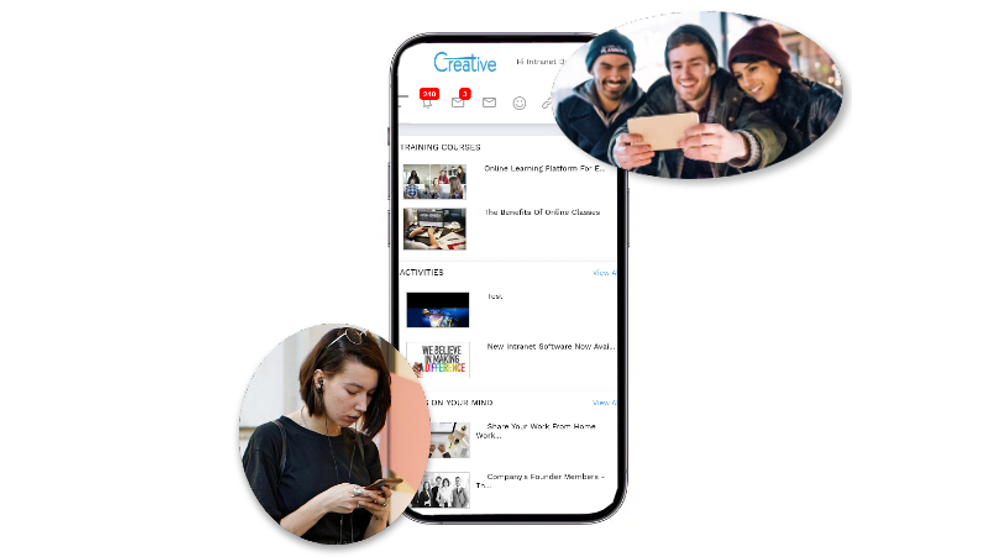
How Digital Workplace Solutions Improve Internal Communication in India?
Introduction In today’s fast-paced corporate environment, organizations across India are increasingly adopting digital tools to improve collaboration and communication. As companies grow and teams become more distributed, traditional communication methods such as emails, scattered chats, and manual updates often lead to confusion, delays, and disengaged employees. This is where a digital workplace solution India becomes essential. A modern digital workplace connects employees, information, and business tools on a single platform, enabling organizations to streamline internal communication and enhance productivity. For Indian enterprises navigating hybrid work environments and geographically dispersed teams, implementing the right enterprise intranet platform India, internal communication software … How Digital Workplace Solutions Improve Internal Communication in India?

How AI-Powered Mobile Apps Are Transforming Internal Communication?
In today’s fast-paced digital workplace, effective internal communication is more important than ever. Organizations with distributed teams, remote workers, and multiple departments need tools that allow information to flow quickly and clearly. Traditional communication methods, such as email, static portals, and disparate messaging tools, often lead to confusion and information overload. This is where AI-powered mobile applications, combined with platforms like Creative Social Intranet, are changing the way companies communicate internally. These smart digital solutions make communication faster, more personalized, and easier to manage across the entire organization. A Creative Social Intranet powered by AI-driven mobile apps enables employees to … How AI-Powered Mobile Apps Are Transforming Internal Communication?
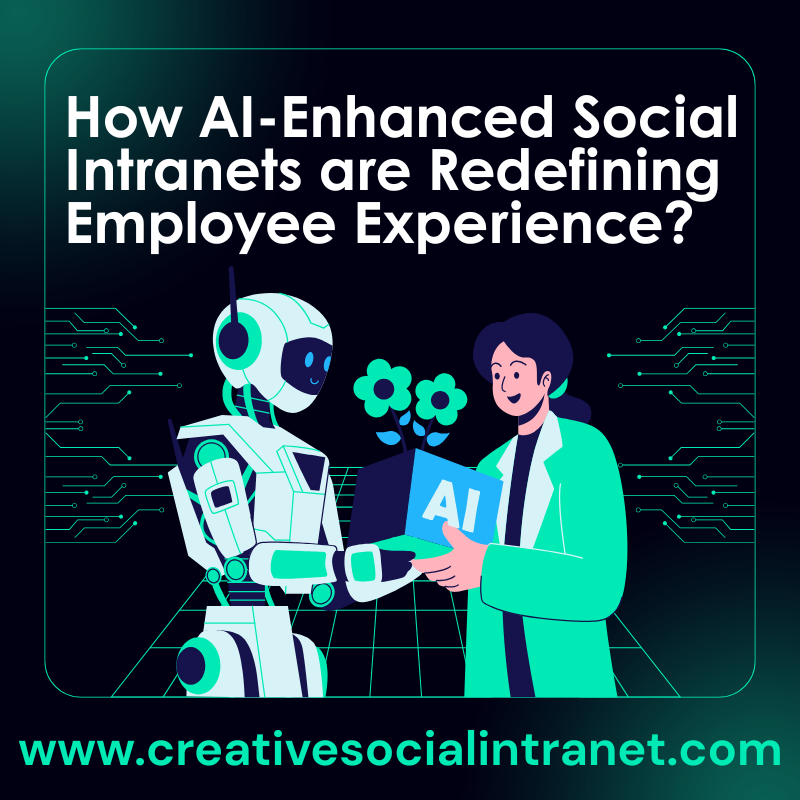
How AI-Enhanced Social Intranets are Redefining Employee Experience?
The modern workplace is undergoing a profound transformation. Hybrid teams, fully remote roles, distributed global workforces, and digital-first communication are no longer trends—they are the new standard. As organizations adapt to this shift, the tools they use must evolve as well. Traditional intranet systems, once designed as simple digital notice boards for announcements and policy documents, are no longer capable of supporting today’s fast-moving, experience-driven workforce. Employees now expect speed, personalization, intuitive navigation, seamless collaboration, and real-time access to knowledge. This is where an AI-powered intranet software, Creative Social Intranet, is revolutionizing the employee experience. By blending artificial intelligence with … How AI-Enhanced Social Intranets are Redefining Employee Experience?