
What is meeting room management?
What is meeting room management?
Meeting room management refers to the systematic administration and coordination of conference rooms within an organization. It encompasses a range of activities aimed at optimizing the utilization of meeting spaces to ensure efficient and effective use, enhance productivity, and reduce operational costs. Effective meeting room management integrates technology, policies, and processes to address challenges related to scheduling conflicts, room availability, equipment needs, and space utilization.
Core Components of Meeting Room Management
1) Scheduling and Booking:
a) Software Solutions: Many organizations use dedicated meeting room booking systems to manage reservations. These systems often integrate with existing calendars (like Outlook or Google Calendar) to streamline the booking process and avoid double bookings.
b) Real-time Availability: Modern solutions provide real-time updates on room availability, making it easier for employees to find and book available spaces.
c) Automated Reminders: These systems can send reminders to participants and notifications about booking status changes, helping to minimize no-shows and last-minute cancellations.
2) Resource Allocation:
a) Equipment Management: Ensuring that meeting rooms are equipped with necessary tools like projectors, video conferencing systems, whiteboards, and Wi-Fi is crucial. Proper management includes maintaining an inventory of these resources and ensuring they are functional and available when needed.
b) Catering and Other Services: For certain meetings, additional services such as catering might be required. An efficient system can help coordinate these services in conjunction with room bookings.
3) Space Utilization:
a) Analyzing Usage Patterns: Data collected from booking systems can provide insights into how meeting spaces are used, identifying trends such as peak times and underutilized rooms. This information can guide decisions on space reconfiguration or repurposing.
b) Flexible Workspaces: Implementing flexible and multi-functional meeting spaces can enhance utilization. For example, movable walls and modular furniture can allow spaces to be adjusted according to the size and type of meeting.
4) User Experience:
a) Ease of Use: A user-friendly booking interface encourages proper use of the system, reducing the likelihood of errors and improving overall satisfaction.
b) Accessibility: Ensuring that booking systems and meeting rooms are accessible to all employees, including those with disabilities, is vital.
5) Integration and Automation:
a) System Integration: Integration with other enterprise systems like HR, facilities management, and IT support can streamline operations. For instance, integrating with HR systems can help manage access control and visitor management.
b) Automation: Automated lighting, climate control, and equipment setup based on booking schedules can enhance efficiency and sustainability.
6) Policy and Compliance:
a) Usage Policies: Clear policies regarding the booking and use of meeting rooms help manage expectations and reduce conflicts. Policies might cover aspects such as booking priority, cancellation procedures, and etiquette.
b) Compliance: Ensuring that meeting room management practices comply with organizational policies and legal requirements (such as those related to accessibility and data privacy) is essential.
Benefits of Effective Meeting Room Management
1) Increased Efficiency:
Streamlined booking processes reduce time wasted on finding and reserving spaces, allowing employees to focus on their primary tasks.
2) Cost Savings:
Better utilization of meeting spaces can lead to cost savings by reducing the need for additional space or enabling more efficient use of existing facilities.
3) Improved Collaboration:
Well-managed meeting spaces equipped with the right technology facilitate better communication and collaboration, both in-person and remotely.
4) Enhanced User Experience:
A smooth, reliable booking experience improves employee satisfaction and productivity.
Challenges and Solutions
1) Overbooking and Conflicts:
Implementing a robust booking system with conflict resolution features can mitigate these issues.
2) Underutilization:
Regularly analyzing usage data and promoting the use of underutilized spaces can help balance demand.
3) Technical Failures:
Ensuring regular maintenance and having a support system in place for immediate troubleshooting can minimize disruptions.
Meeting room management is a multifaceted approach that combines technology, strategic planning, and user-centric practices to optimize the use of meeting spaces within an organization. By addressing both operational and logistical aspects, effective meeting room management enhances productivity, reduces costs, and improves the overall workplace experience.
Explore Creative Social Intranet
Boost Understanding with Quick Answers
Our Latest Intranet News and Articles
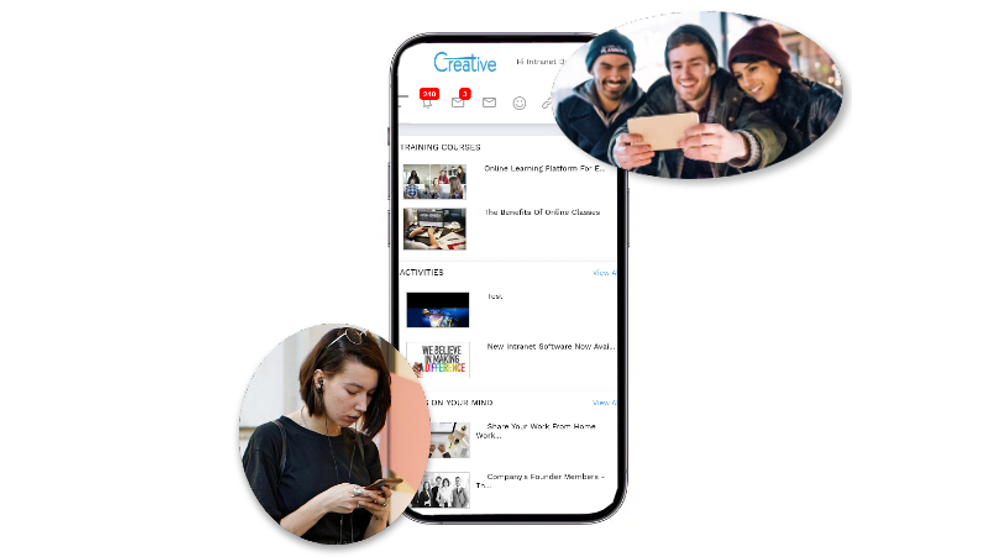
How Digital Workplace Solutions Improve Internal Communication in India?
Introduction In today’s fast-paced corporate environment, organizations across India are increasingly adopting digital tools to improve collaboration and communication. As companies grow and teams become more distributed, traditional communication methods such as emails, scattered chats, and manual updates often lead to confusion, delays, and disengaged employees. This is where a digital workplace solution India becomes essential. A modern digital workplace connects employees, information, and business tools on a single platform, enabling organizations to streamline internal communication and enhance productivity. For Indian enterprises navigating hybrid work environments and geographically dispersed teams, implementing the right enterprise intranet platform India, internal communication software … How Digital Workplace Solutions Improve Internal Communication in India?
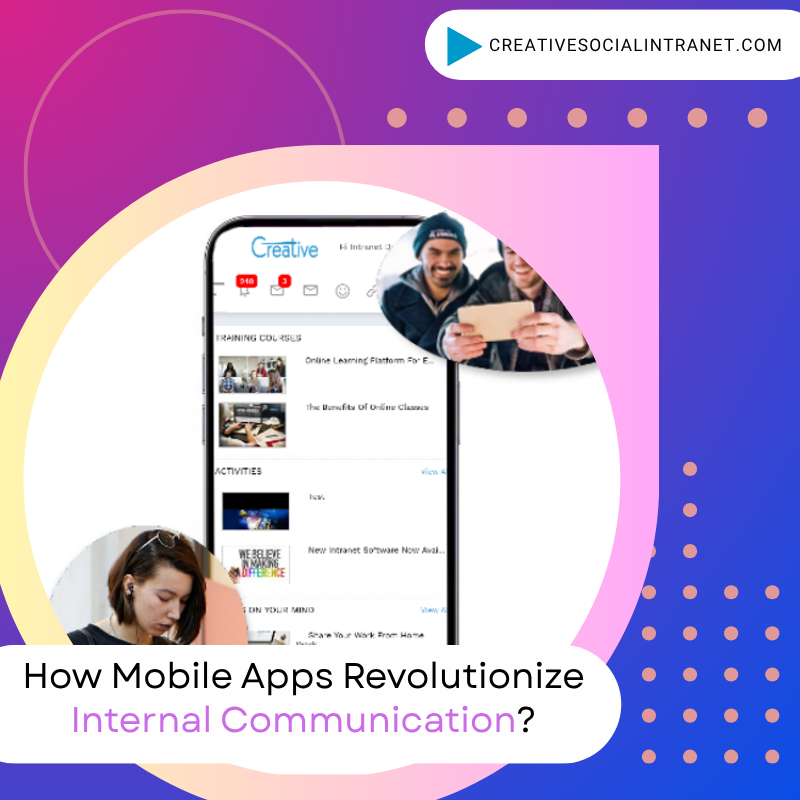
How AI-Powered Mobile Apps Are Transforming Internal Communication?
In today’s fast-paced digital workplace, effective internal communication is more important than ever. Organizations with distributed teams, remote workers, and multiple departments need tools that allow information to flow quickly and clearly. Traditional communication methods, such as email, static portals, and disparate messaging tools, often lead to confusion and information overload. This is where AI-powered mobile applications, combined with platforms like Creative Social Intranet, are changing the way companies communicate internally. These smart digital solutions make communication faster, more personalized, and easier to manage across the entire organization. A Creative Social Intranet powered by AI-driven mobile apps enables employees to … How AI-Powered Mobile Apps Are Transforming Internal Communication?
How AI-Enhanced Social Intranets are Redefining Employee Experience?
The modern workplace is undergoing a profound transformation. Hybrid teams, fully remote roles, distributed global workforces, and digital-first communication are no longer trends—they are the new standard. As organizations adapt to this shift, the tools they use must evolve as well. Traditional intranet systems, once designed as simple digital notice boards for announcements and policy documents, are no longer capable of supporting today’s fast-moving, experience-driven workforce. Employees now expect speed, personalization, intuitive navigation, seamless collaboration, and real-time access to knowledge. This is where an AI-powered intranet software, Creative Social Intranet, is revolutionizing the employee experience. By blending artificial intelligence with … How AI-Enhanced Social Intranets are Redefining Employee Experience?