
What are the Uses of Employee Engagement Tools?
What are the Uses of Employee Engagement Tools?
Employee engagement tools serve a variety of purposes, all aimed at enhancing employee satisfaction, motivation, productivity, and overall well-being. In today’s fast-paced and dynamic work environment, organizations rely on these tools to facilitate communication, gather feedback, recognize achievements, and support employee development. Let’s explore in detail the key uses of employee engagement tools:
1) Communication and Collaboration:
Employee engagement tools provide platforms for seamless communication and collaboration among employees, regardless of their location or department. These tools include instant messaging apps, project management software, and virtual meeting platforms, which enable employees to connect, share ideas, and collaborate on projects in real time. By fostering open and transparent communication, engagement tools break down silos, facilitate knowledge sharing, and promote teamwork, leading to increased productivity and innovation.
2) Feedback and Surveys:
Employee engagement tools facilitate the collection of feedback and insights from employees through surveys, polls, and feedback mechanisms. These tools allow organizations to gather valuable input on various aspects of the work environment, such as leadership, culture, communication, and work-life balance. By soliciting feedback regularly, organizations can identify areas for improvement, address employee concerns, and implement targeted interventions to enhance employee satisfaction and engagement.
3) Recognition and Rewards:
Employee engagement tools include features for recognizing and rewarding employee achievements, milestones, and contributions. These tools may include peer-to-peer recognition platforms, employee appreciation programs, and performance management software. By providing timely and meaningful recognition, organizations can boost employee morale, motivation, and loyalty. Recognition tools also help reinforce desired behaviors, values, and performance standards, driving a positive work culture and fostering a sense of appreciation and belonging among employees.
4) Learning and Development:
Employee engagement tools support employee learning and development initiatives by providing access to training resources, courses, and learning modules. These tools may include learning management systems, online training platforms, and skill development apps. By investing in employee development, organizations can enhance employee skills, knowledge, and competencies, while also promoting career growth and advancement opportunities. Continuous learning and development opportunities contribute to employee engagement by demonstrating the organization’s commitment to employee growth and professional development.
5) Wellness and Well-being:
Employee engagement tools also focus on supporting employee wellness and well-being initiatives. These tools may include wellness apps, mindfulness programs, and health-tracking platforms. By promoting physical, mental, and emotional well-being, organizations can reduce stress, burnout, and absenteeism, while also improving employee morale, engagement, and productivity. Wellness tools help employees manage their health and wellness goals, access resources for stress management and self-care, and cultivate a healthy work-life balance.
6) Performance Management:
Employee engagement tools support performance management processes by providing tools for goal-setting, performance tracking, and feedback exchange. These tools help managers and employees align individual goals with organizational objectives, track progress, and provide regular feedback and coaching. By establishing clear expectations, providing ongoing feedback, and recognizing achievements, organizations can enhance employee performance, motivation, and engagement. Performance management tools also facilitate constructive conversations about performance, development opportunities, and career growth, fostering a culture of continuous improvement and accountability.
Employee engagement tools play a critical role in enhancing communication, gathering feedback, recognizing achievements, supporting employee development, promoting wellness, and managing performance. By leveraging these tools effectively, organizations can create a positive and supportive work environment where employees feel valued, motivated, and empowered to contribute their best, ultimately driving organizational success and competitiveness in the marketplace.
Explore Creative Social Intranet
Boost Understanding with Quick Answers
Our Latest Intranet News and Articles
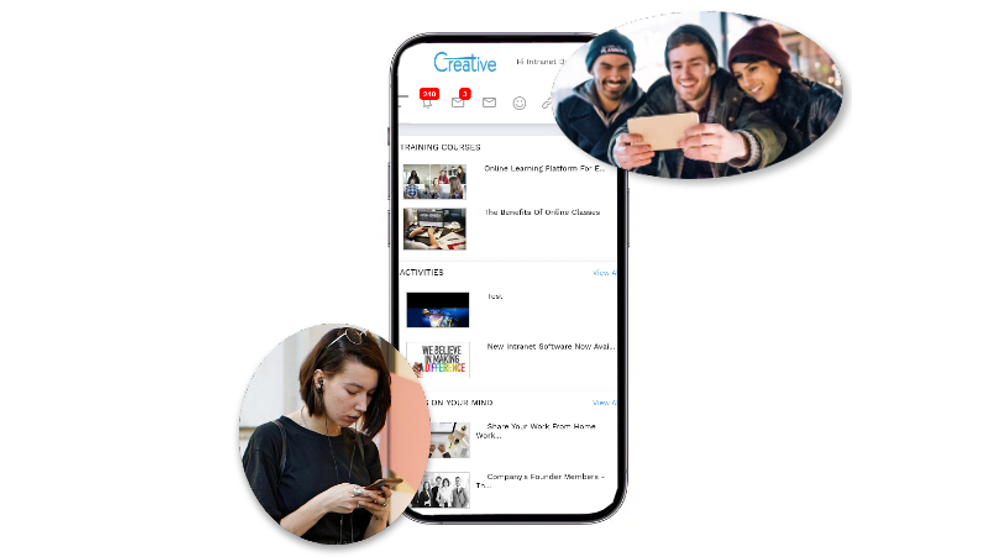
How Digital Workplace Solutions Improve Internal Communication in India?
Introduction In today’s fast-paced corporate environment, organizations across India are increasingly adopting digital tools to improve collaboration and communication. As companies grow and teams become more distributed, traditional communication methods such as emails, scattered chats, and manual updates often lead to confusion, delays, and disengaged employees. This is where a digital workplace solution India becomes essential. A modern digital workplace connects employees, information, and business tools on a single platform, enabling organizations to streamline internal communication and enhance productivity. For Indian enterprises navigating hybrid work environments and geographically dispersed teams, implementing the right enterprise intranet platform India, internal communication software … How Digital Workplace Solutions Improve Internal Communication in India?
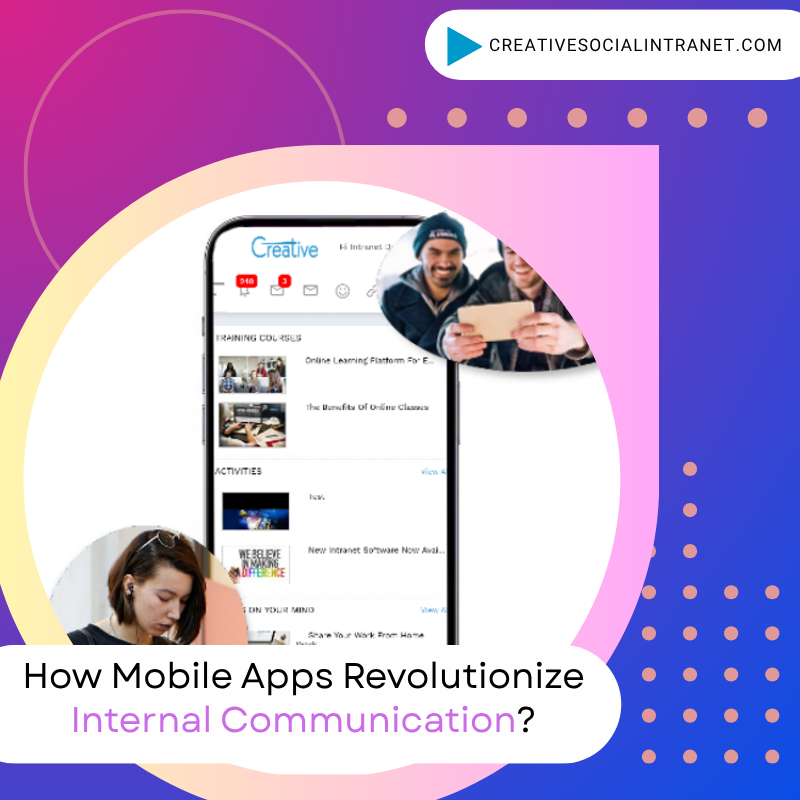
How AI-Powered Mobile Apps Are Transforming Internal Communication?
In today’s fast-paced digital workplace, effective internal communication is more important than ever. Organizations with distributed teams, remote workers, and multiple departments need tools that allow information to flow quickly and clearly. Traditional communication methods, such as email, static portals, and disparate messaging tools, often lead to confusion and information overload. This is where AI-powered mobile applications, combined with platforms like Creative Social Intranet, are changing the way companies communicate internally. These smart digital solutions make communication faster, more personalized, and easier to manage across the entire organization. A Creative Social Intranet powered by AI-driven mobile apps enables employees to … How AI-Powered Mobile Apps Are Transforming Internal Communication?
How AI-Enhanced Social Intranets are Redefining Employee Experience?
The modern workplace is undergoing a profound transformation. Hybrid teams, fully remote roles, distributed global workforces, and digital-first communication are no longer trends—they are the new standard. As organizations adapt to this shift, the tools they use must evolve as well. Traditional intranet systems, once designed as simple digital notice boards for announcements and policy documents, are no longer capable of supporting today’s fast-moving, experience-driven workforce. Employees now expect speed, personalization, intuitive navigation, seamless collaboration, and real-time access to knowledge. This is where an AI-powered intranet software, Creative Social Intranet, is revolutionizing the employee experience. By blending artificial intelligence with … How AI-Enhanced Social Intranets are Redefining Employee Experience?