
What is a digital workplace?
What is a digital workplace?
The digital workplace is an always-connected setting that gives workers quick access to data, apps, and collaborative workspaces—as well as personalized, role-based services—that they need to complete their work from any location, at any time, on any device. Using a digital workplace model can help flexible work become more successful and expedient, especially in light of the growing acceptance of remote and hybrid workplaces. It describes the comprehensive collection of digital tools, platforms, and technologies that enable staff members to work together, communicate, and complete duties efficiently in a contemporary, technologically advanced setting. Regardless of where people are physically located, it includes the digital infrastructure, software, and online resources that support and optimize work processes. Typical key components of a digital workplace include:
Collaboration Tools
Employees can collaborate easily across geographic boundaries thanks to the range of tools offered by digital workspaces. Project management programs, document-sharing websites, instant messaging apps, and video conferencing software are a few examples of these applications.
Communication Channels
Email, chat programs, discussion boards, and social media sites are just a few of the channels via which communication is made easier in digital workplaces. Through these channels, staff members can communicate updates, ask for help from managers and other staff members, and exchange information.
Cloud-Based Solutions
Cloud computing technology is widely used in digital workplaces to store data and run programs, giving staff members access to resources from any internet-enabled device. When compared to conventional on-premises systems, cloud-based solutions provide increased accessibility, scalability, and flexibility.
Remote Work Capabilities
Employees in a digital workplace can work from any location as long as they have an internet connection. Virtual private networks (VPNs), virtual desktop infrastructure (VDI), and safe access to company systems and data all facilitate remote work.
Employee Engagement Platforms
Digital workplaces place a high priority on employee involvement by providing forums for cooperation, feedback, and acknowledgment. These platforms could be employee intranets, social networking tools, programs for employee recognition, and pulse polls to find out how employees feel about their jobs.
Mobile Accessibility
Using smartphones and tablets for work-related tasks is a feature of a digital workplace that enables employees to be accessible from anywhere. Employees may access digital workplace tools on the go thanks to mobile apps and responsive web interfaces.
Automation and Artificial Intelligence (AI)
Digital workplaces make use of automation and artificial intelligence (AI) technologies to improve productivity, reduce manual labor, and facilitate data-driven decision-making. Chatbots for customer service, robotic process automation (RPA), and predictive analytics for workforce planning are a few examples.
Measures for Security and Compliance
Protecting sensitive data, preventing unwanted access, and guaranteeing regulatory compliance are all high priorities in digital workplace security. Data loss prevention (DLP) tools, encryption, and multi-factor authentication are a few examples of security features.
Integration with Corporate Systems
Digital workplaces are designed to interface with current corporate applications and systems, including customer relationship management (CRM) software, enterprise resource planning (ERP) systems, and human resources management systems (HRMS). Automation of workflows and smooth data interchange inside the company is made possible via integration.
All things considered, a digital workplace is a cutting-edge, technologically advanced method of working that empowers staff members, encourages teamwork, and helps businesses adjust to the changing needs of the digital age. It includes a wide range of digital tools and capabilities designed to boost employee happiness, productivity, and agility in the connected and hectic corporate world of today.
Explore Creative Social Intranet
Boost Understanding with Quick Answers
Our Latest Intranet News and Articles
How Corporate Network Performance Impacts Employee Productivity?
Introduction In today’s digital-first business environment, employee productivity is closely tied to the performance of corporate IT infrastructure. One of the most critical components of this infrastructure is the organization’s network. For businesses across India, corporate network performance India plays a vital role in ensuring smooth communication, fast data access, and uninterrupted workflow. Slow networks, lagging systems, and connectivity issues can significantly impact employee efficiency and overall business outcomes. With increasing reliance on digital tools such as intranet systems, collaboration platforms, and cloud applications, factors like intranet data transfer speed India, intranet bandwidth requirements India, and overall intranet performance India … How Corporate Network Performance Impacts Employee Productivity?
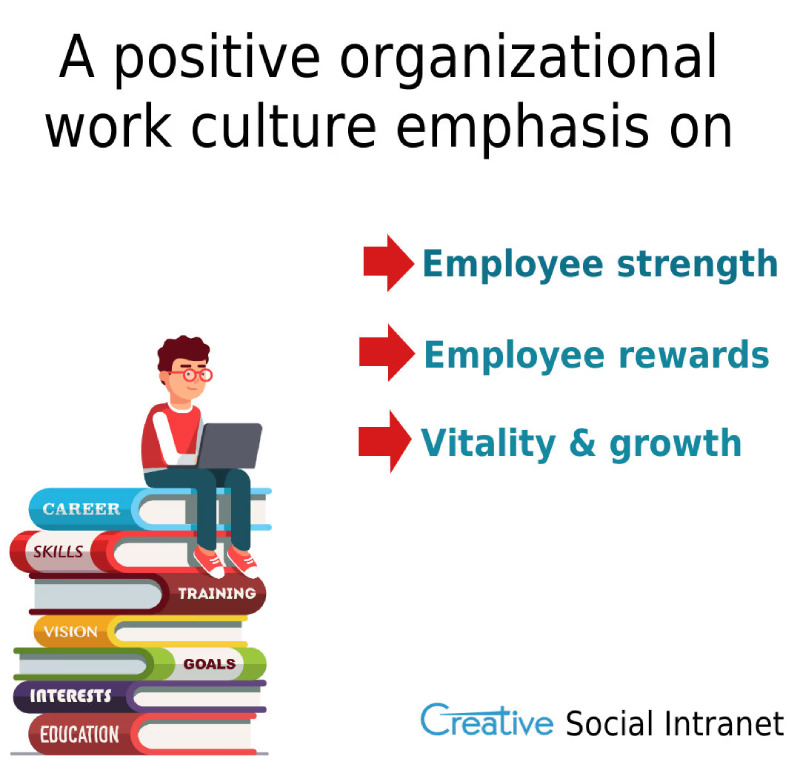
Gamification Helps Corporate Training
Gamification is no longer just a “nice-to-have” in corporate training—it’s becoming a core driver of employee engagement, productivity, and continuous learning. In today’s AI-powered digital workplace, gamification combined with intelligent systems transforms routine training into an immersive, personalized experience. When integrated into a smart intranet like Creative Social Intranet, it doesn’t just make learning fun—it makes it measurable, adaptive, and results-driven. Here’s how gamification, enhanced with trending AI features, elevates workplace performance: 1. AI-Powered Gamified Learning Experience Creative Social Intranet leverages AI to turn traditional training modules into dynamic, game-like journeys. Employees earn points, badges, and rewards—but now with AI-driven … Gamification Helps Corporate Training
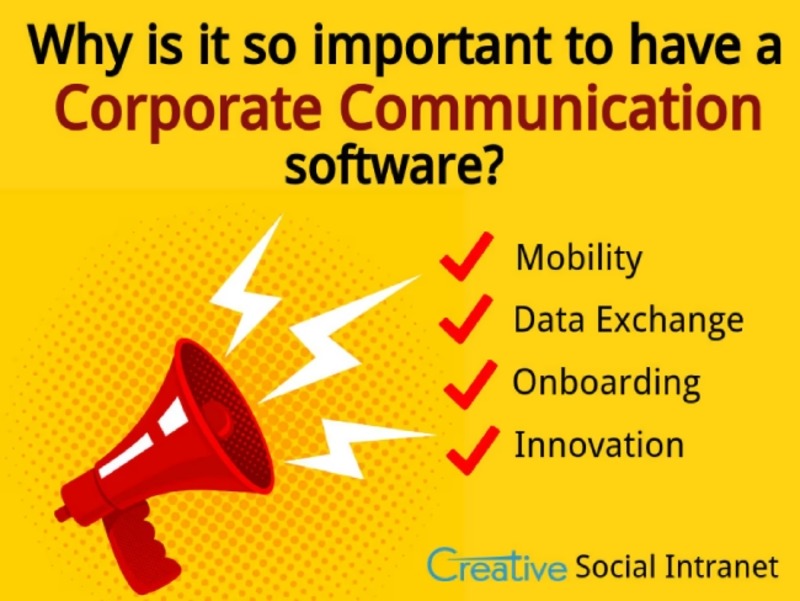
Significance of Corporate Communication Software
AI-Powered Corporate Communication Software for the Modern Workplace Corporate communication software is no longer just a tool—it’s the intelligent backbone of modern organizations. With AI embedded into collaboration platforms, it evolves into a smart digital workplace hub that drives communication, engagement, and decision-making in real time. Organizations that effectively implement an AI-driven collaboration experience: Why AI-Driven Corporate Communication Matters? 1. Enhance Internal Communication Break down silos with AI-powered content recommendations, smart notifications, and auto-prioritized updates—ensuring employees receive the right information at the right time. 2. Boost Employee Morale Leverage AI sentiment analysis to understand employee mood and engagement levels. Automatically … Significance of Corporate Communication Software